Water Damage Restoration Fountain Valley, CA
24/7 water damage restoration in Fountain Valley, CA. The restoration team extracts standing water, dries the slab and walls to the IICRC S500 standard and documents every step for your insurance claim.
(888) 450-9281Water on the floor? Call now.Fountain Valley, ZIP 92708 and 92728, plus Huntington Beach, Westminster and Garden Grove
What to do while the water is still moving
- 1
Shut off the water
Close the main valve, usually at the front of the house near the meter box, or the valve on the water heater or toilet that failed.
- 2
Make the area safe
Switch off breakers for wet rooms if the panel is dry and safe to reach. Stay off wet floors near outlets and cords.
- 3
Photograph everything
Take photos and video of the water, the source and the damage before anything is moved or thrown out.
- 4
Call for extraction
Water wicks into drywall and under flooring by the hour. Get extraction and moisture mapping started 24/7.
Water Damage Restoration Services in Fountain Valley, CA
Fourteen services, each built around how water actually gets loose in a Fountain Valley house: copper pipe in the slab, garage water heaters, cast-iron drains and the winter storms.
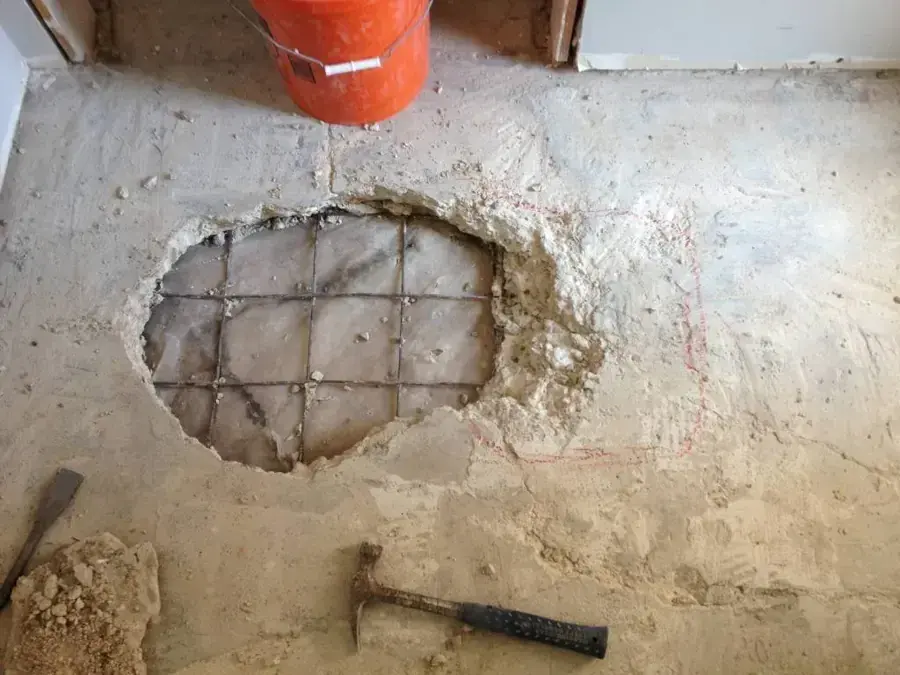 Slab Leak Water DamageCopper supply pipe leaking inside the slab, the wet flooring lifted and the concrete dried with mats.See the service
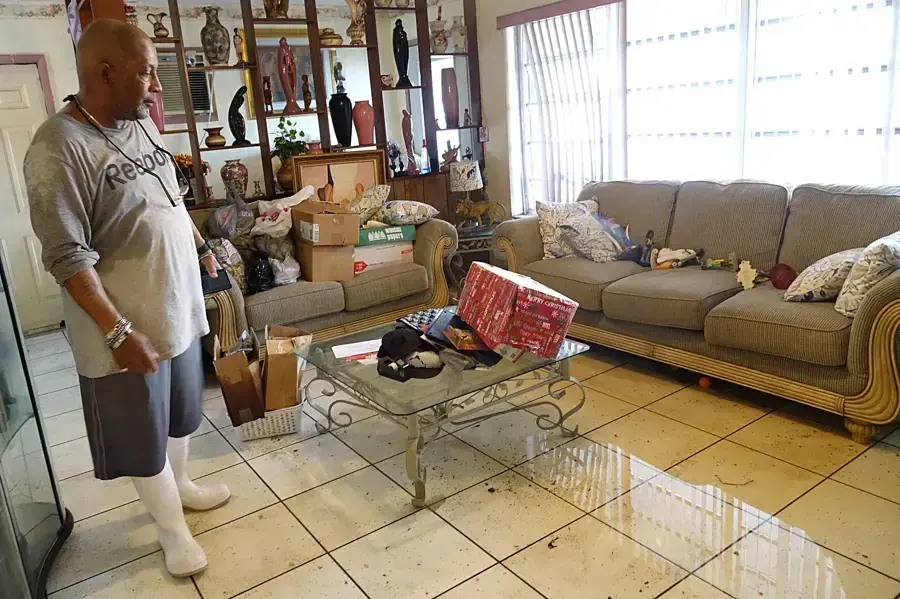
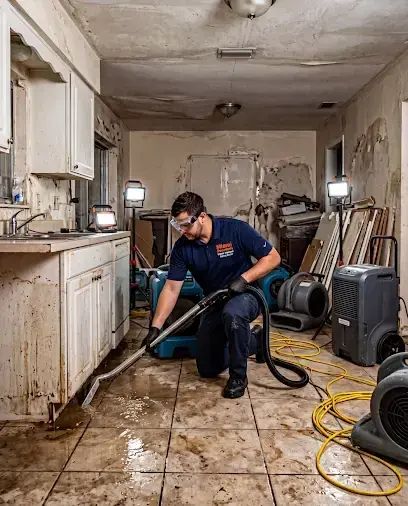 Water Extraction and RemovalStanding water pulled off slab floors and carpet with truck-mounted extraction, first thing.See the service
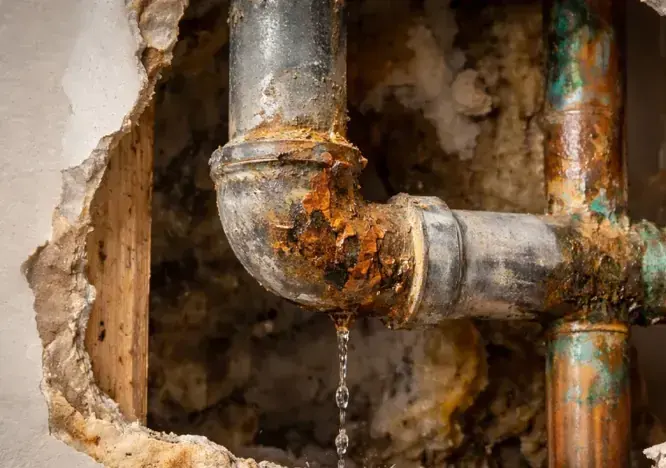 Copper Pinhole Leak Water DamageSlow corrosion leaks in aging copper, traced with meters inside walls and ceilings.See the service
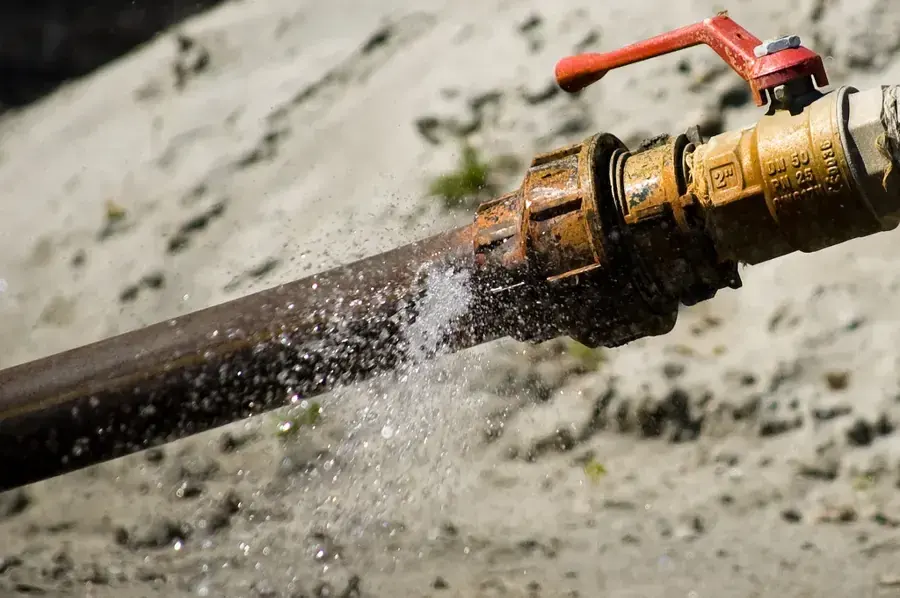 Burst Pipe Water DamageSplit fittings and failed supply hoses that dump water fast, extracted and dried.See the service
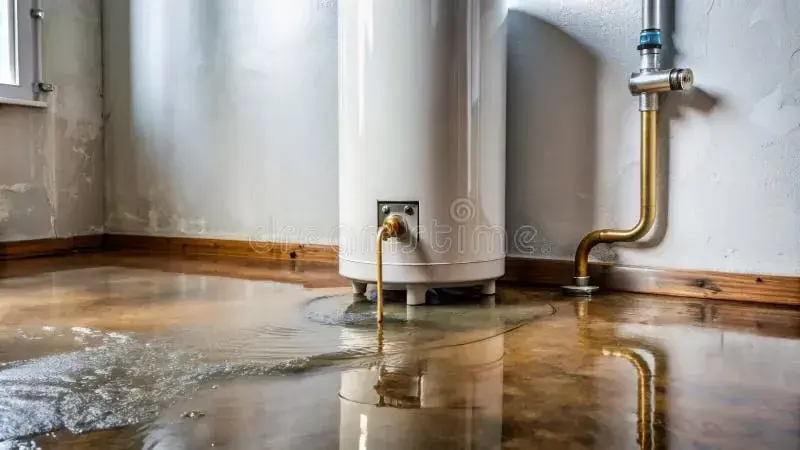 Water Heater Leak CleanupGarage tanks that let go and push water under the wall into the house.See the service
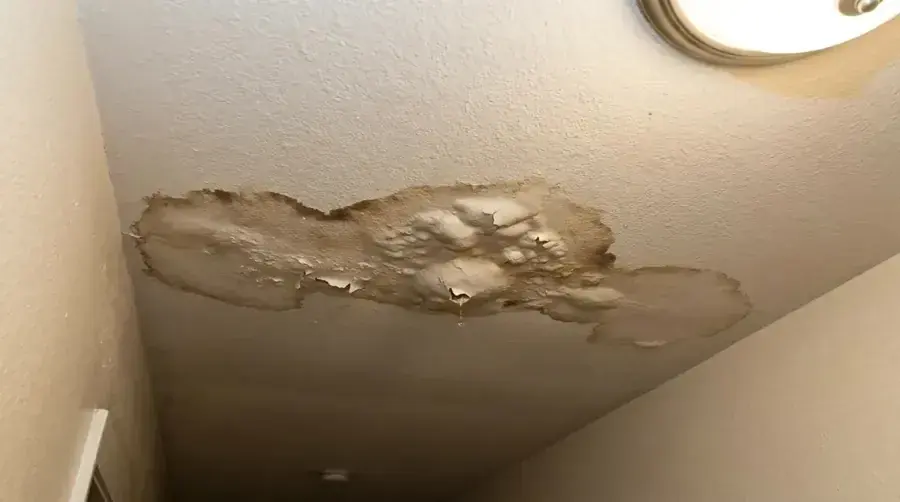 Ceiling Leak Water DamageUpstairs bath and pipe leaks through ceiling drywall, the wiring checked first.See the service
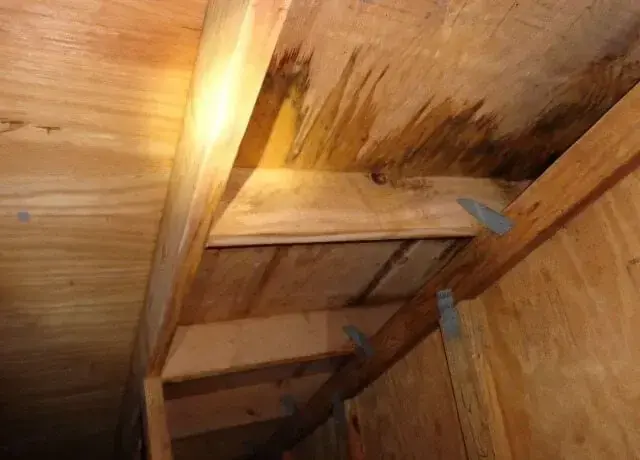 Roof Leak Water DamageWinter storm rain through roofing and flashing, the attic insulation dried out.See the service
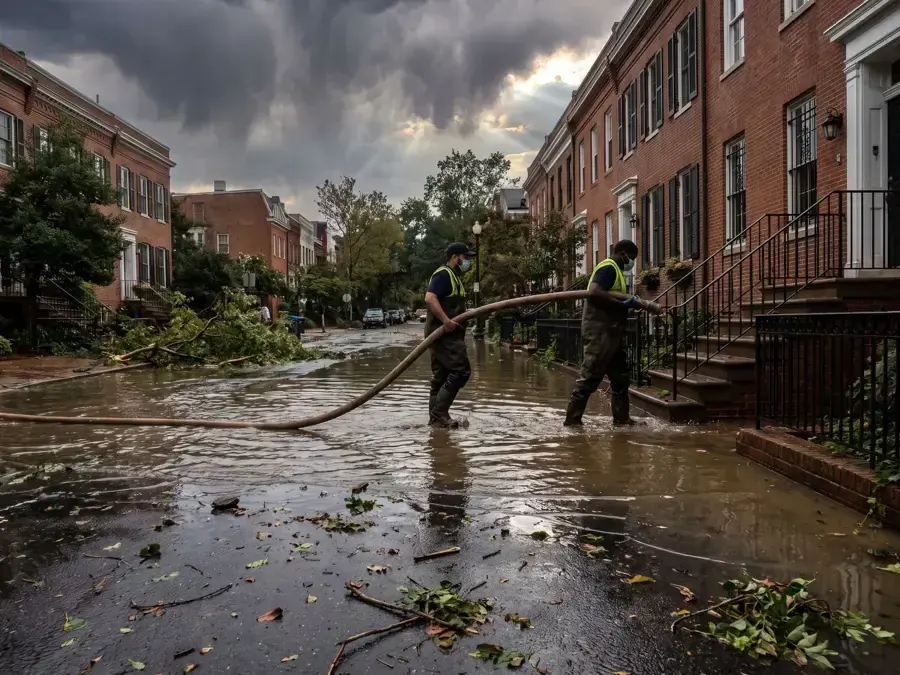 Storm Flood CleanupOutside storm water at ground level, handled as Category 3 from the start.See the service
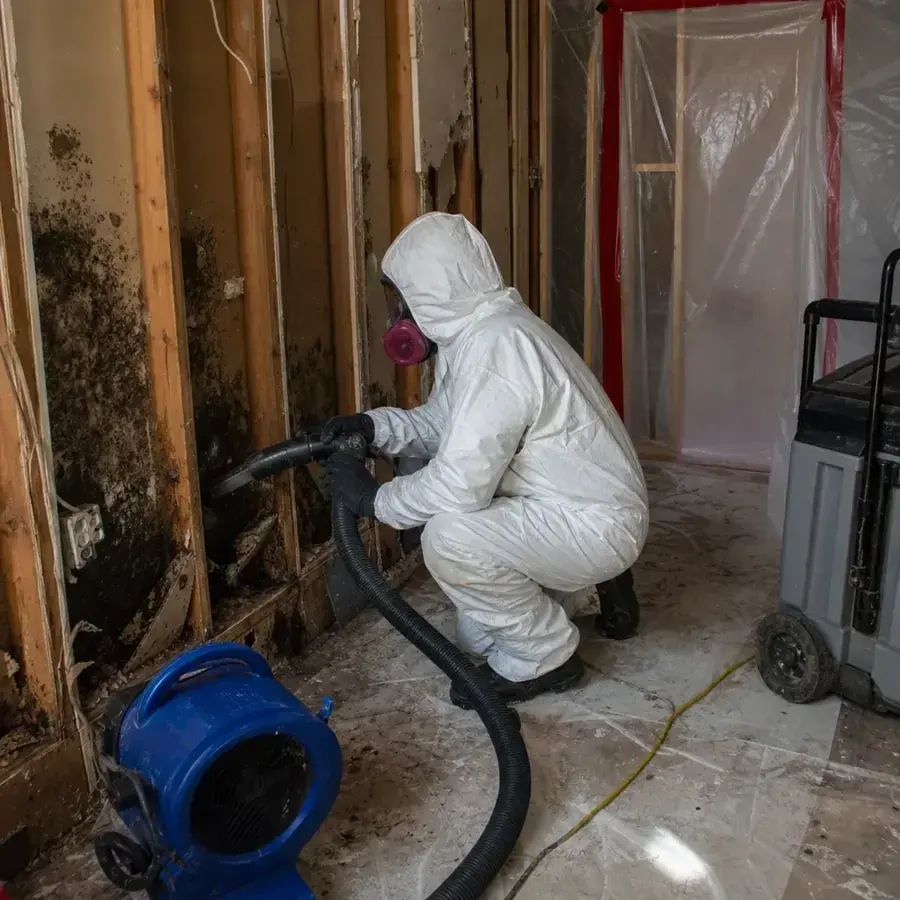 Sewage Backup CleanupBackups from cast-iron drains and root-filled laterals, contained and cleaned.See the service
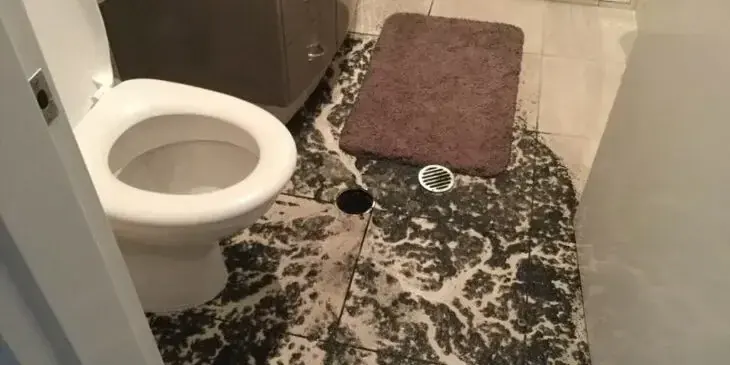 Toilet Overflow CleanupBathroom overflows sorted by category, the floor cleaned, treated and dried.See the service
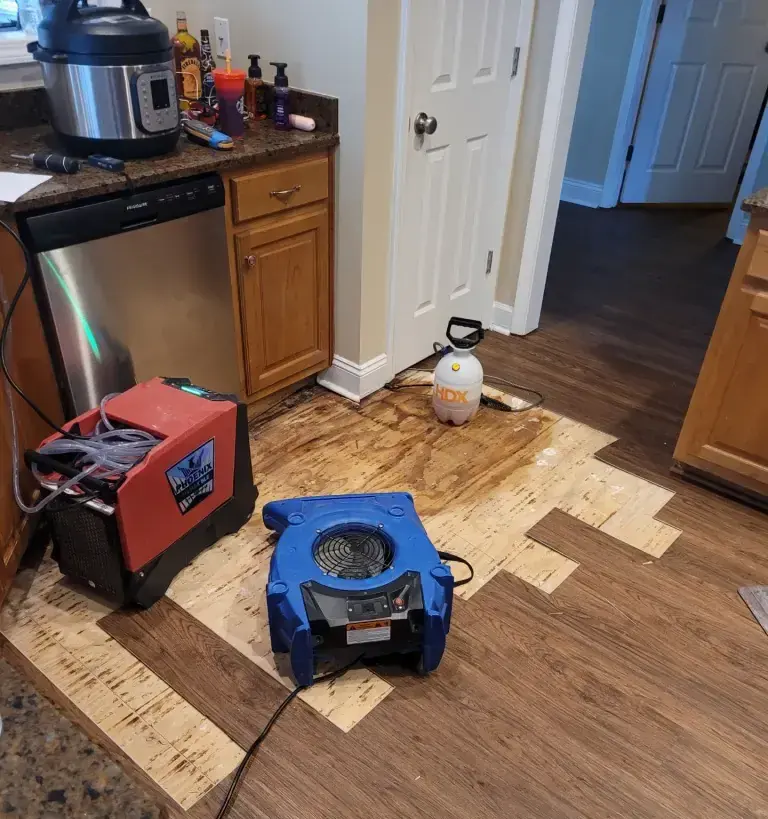 Appliance Leak Water DamageWasher, dishwasher and fridge hose failures dried under cabinets and floors.See the service
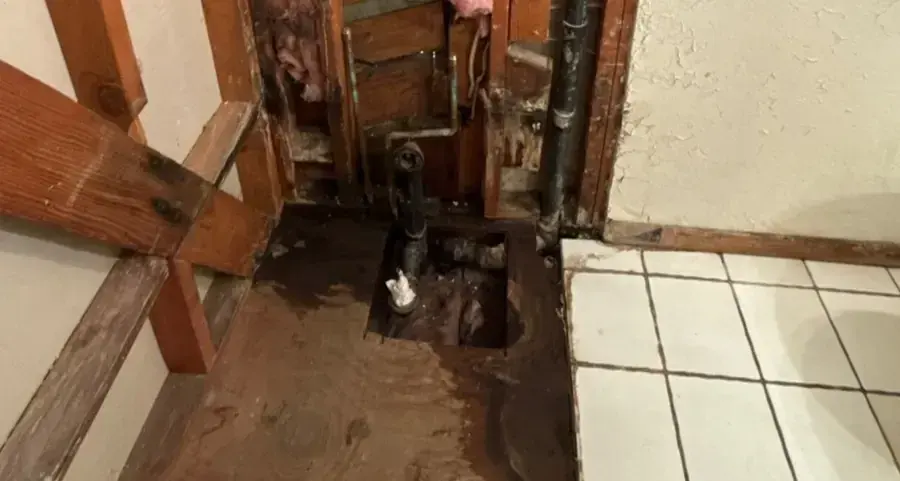 Shower Pan Leak Water DamageWorn original shower pans that soak the slab and the next room's walls.See the service
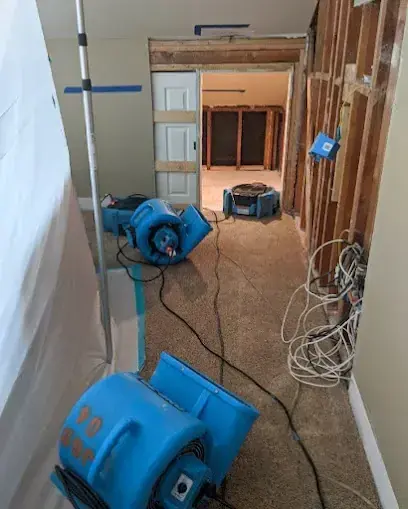 Structural Drying and DehumidificationSlab, framing and wall cavities dried to the reading of a dry reference material.See the service
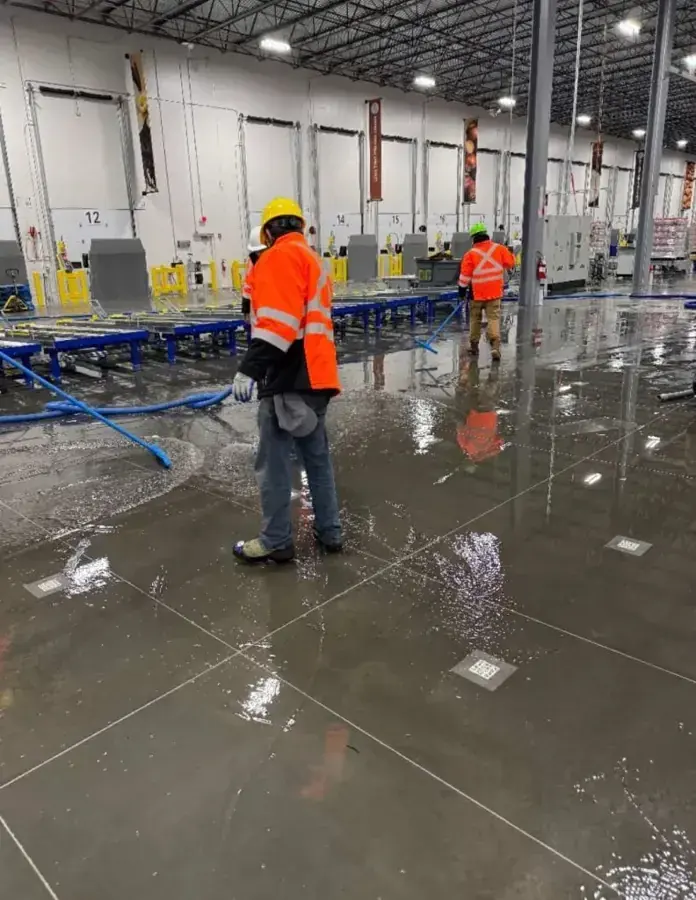 Commercial Water DamageOffices, medical suites and shops dried in phases to keep doors open.See the service
What does water damage restoration cost in Fountain Valley, CA?
In Fountain Valley, CA, water damage restoration typically runs $1,300 to $5,000 for a contained clean-water leak and $5,000 to $25,000 or more when a slab leak, sewage or several rooms are involved.
Category of water, square footage, flooring and material class, and how fast drying started move the number most. The water damage cost calculator gives a closer range for one home.
Contained clean-water leak
$1,300 to $5,000
Slab leak or several rooms
$5,000 to $13,000
Sewage or storm water
$9,000 to $25,000
All water damage categories covered in Fountain Valley, CA
Category 1: clean water
Supply pipe, slab leak and water heater water. Dried in place when extraction starts fast.
Slab leak water damageCategory 2: gray water
Washer, dishwasher and shower pan water. Carpet pad comes out and surfaces get antimicrobial.
Appliance leak water damageCategory 3: black water
Sewage and outside storm water. Porous materials it touches get removed, not dried, behind containment.
Sewage backup cleanupWater damage dried to the IICRC S500 standard
IICRC S500 is the industry drying standard. It sorts water by category and class, sets the equipment to the evaporation load of each room and ends the job on a reading, not a guess. Equipment stays until the readings say dry.
A typical drying log
Day 1, map and extract
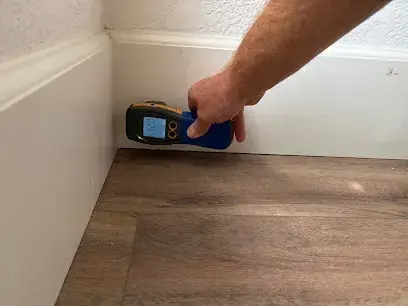
The tech who does the walkthrough maps moisture with pinless meters and thermal imaging, sets the category and class, and the extraction crew pulls standing water.
Day 1, set equipment
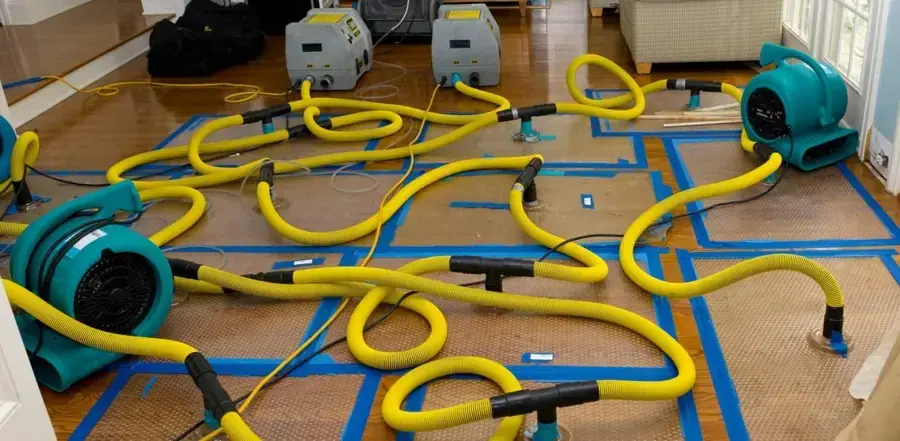
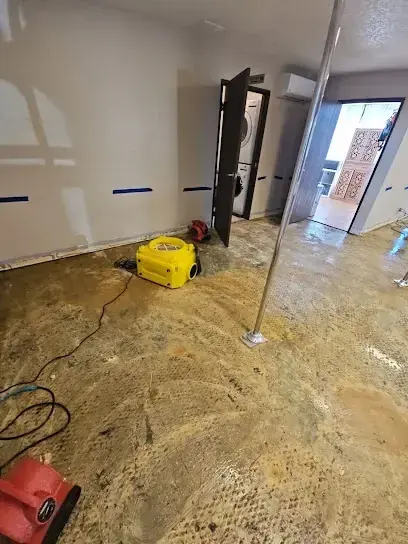
Air movers are placed to the room's evaporation load, LGR dehumidifiers pull the moisture out of the air, and slab mats go down where concrete is wet.
Days 2 to 3, read and adjust
The drying team records material readings and temperature and humidity every day and moves equipment toward the wettest spots.
Days 3 to 5, verify
Materials are checked against a dry reference reading taken in an unaffected room of the same house.
Final day, sign off
Equipment leaves once every reading falls within 2 to 4 points of dry, and the final log goes into the claim file.
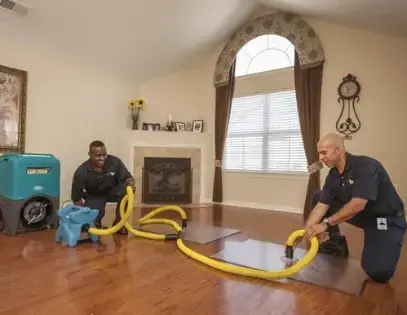
From the first reading to the dry certificate
A water loss in Fountain Valley follows a set order. The response team finds the source and the edge of the wet area first, then the drying team sizes equipment to the room, and the claim file grows every day the job runs.
Rapid local response
Dispatch runs around the clock, and active water is treated as urgent the moment the call comes in.
IICRC S500 drying standard
The drying team follows the industry drying standard: structural drying, not just surface drying.
Claim-ready documentation
Moisture maps, daily psychrometric logs and timestamped photos go into one file for the insurer.
Local water know-how
Copper in the slab, garage water heaters and a high water table shape most losses in this city.
Documentation for your insurance claim
Adjusters work from records, so the restoration team builds the claim file from the first visit to the last reading.
- 1A moisture map of every wet room, wall and section of slab
- 2Daily psychrometric logs and material readings until dry
- 3Timestamped photos taken before any demolition
- 4The category and class of the loss, with the reason for each
- 5A line-item scope of the work, Xactimate style
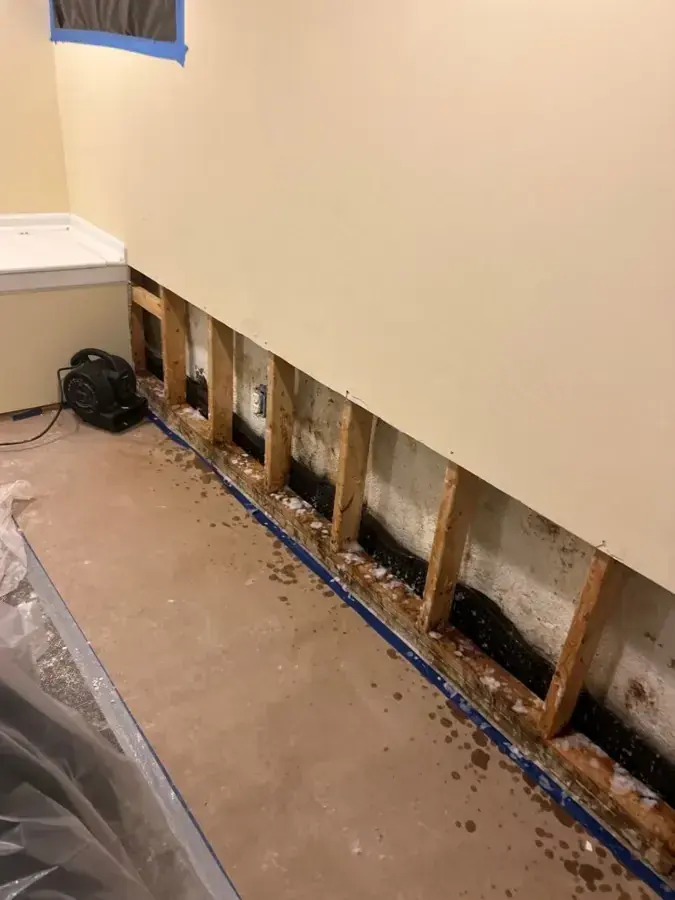
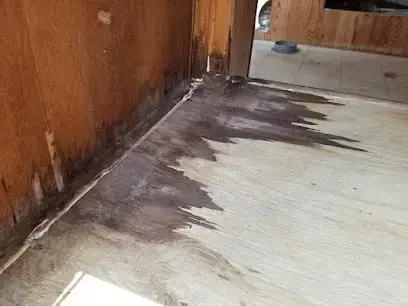
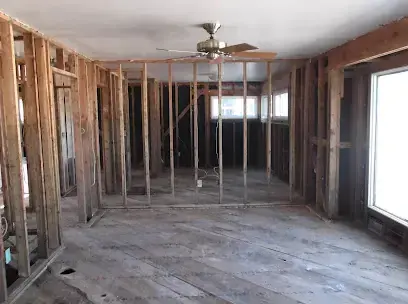
What a water damage dry-out looks like in Fountain Valley
Water damage restoration across Fountain Valley and nearby cities
Fountain Valley areas and streets
ZIP codes
Nearby cities
One call reaches Fountain Valley water damage pros, 24/7
Describe the leak, the rooms that are wet and whether the water is still running. A restoration company in Fountain Valley sends the response team to start extraction and moisture mapping.
The number is toll-free and open around the clock, weekends and holidays included.
(888) 450-9281Get a local pro on the phoneFountain Valley, CA
[email protected]
Santa Ana River country, slab homes and winter storms
Fountain Valley is named for the artesian wells that once flowed on its marshy farmland, and the water table still sits high. Most homes went up in the 1960s and 1970s on concrete slabs.
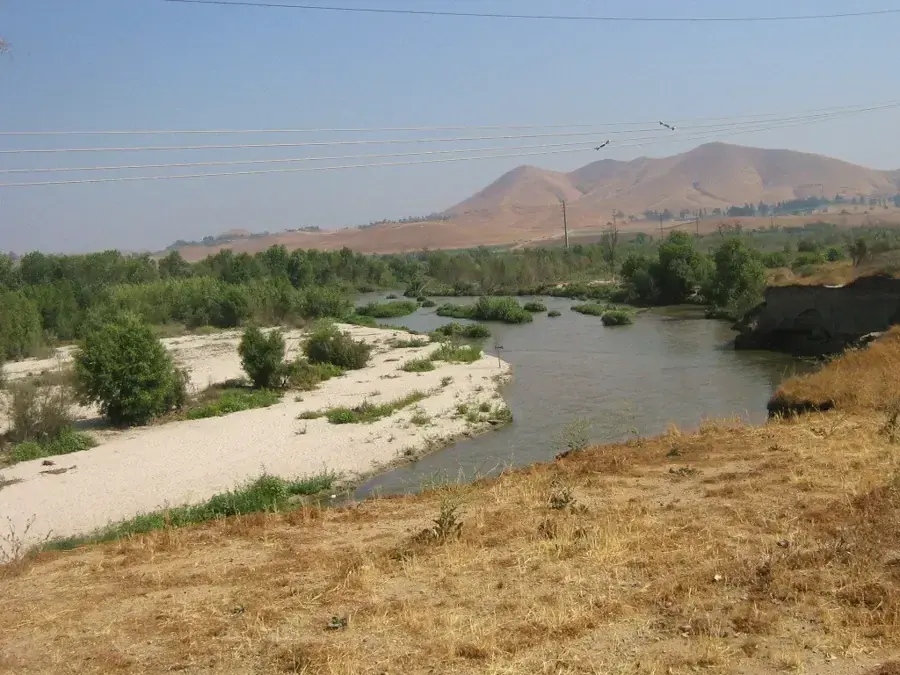
The Santa Ana River flood spread across the Orange County lowlands. Prado Dam, finished upstream in 1941, now holds back the river's peak flows.
Atmospheric-river storms in January 2023 and February 2024 dropped heavy rain on Orange County, overwhelming gutters, roofs and street drains.
- Copper in the slab Supply pipe run in or under 1960s and 1970s slabs wears into pinholes and slab leaks.
- Garage water heaters Tanks sit in the garage, and a failure runs under the shared wall into the house.
- Cast-iron drains and roots Older drain pipe and laterals under mature street trees crack and back up.
- High water table Wet ground keeps slabs damp longer, so concrete needs mats and more drying days.
- Winter storm bursts Most rain falls November to March in a few heavy storms that find roof and flashing gaps.
Water damage questions from Fountain Valley homes
Water in the house right now?
Shut off the water if it is safe, then call. Extraction and drying start around the clock.
(888) 450-9281Begin the Fountain Valley dry-out01How fast does someone respond to water damage in Fountain Valley?
Dispatch runs 24/7, and active water is treated as urgent at any hour. The response team starts with extraction and a moisture map, because water keeps wicking into drywall and under flooring until it is pulled out.
02Why are slab leaks so common in Fountain Valley?
Most homes were built in the 1960s and 1970s with copper supply pipe in or under the slab. After decades of use, that pipe wears thin and leaks where nobody can see it. A warm spot on the floor or a water meter that moves with everything off are the usual signs. See slab leak water damage for how the floor is dried.
03How long does drying take?
A contained Class 1 or 2 loss usually dries in three to five days. A wet slab, hardwood or a Category 3 loss takes longer. Equipment stays until the readings say dry, not until a set date.
04What is the IICRC S500 standard?
It is the industry drying standard. It sorts water by category and class, sizes the drying equipment to each room and ends the job when materials read within 2 to 4 points of a dry reference material.
05Does homeowners insurance cover water damage?
Sudden and accidental water, like a burst supply hose or a failed water heater, is often covered. Outside flood water and sewer backup often need separate coverage. Coverage depends on your policy, so check with your own insurer.
06What should be done before the crew arrives?
Shut off the main valve, switch off power to wet rooms if the panel is dry, take photos before moving anything and lift small items off wet floors. Then call for extraction.
07What is the difference between mitigation and repair?
Mitigation stops the damage: extraction, removal of ruined materials and drying. Repair puts the house back: new drywall, paint and flooring. Repair starts only after the structure reads dry.
08When does drywall have to come out?
Drywall touched by Category 3 water comes out. Clean-water drywall can often be dried in place if extraction starts fast, but swollen, crumbling or long-wet drywall is cut out above the high-water mark.
09Why is sewage handled differently?
Sewage is Category 3 water the moment it happens. Porous materials it touches are removed, not dried, the area is contained and the crew wears protective gear. See sewage backup cleanup.
10How is the cost figured?
By the category of water, the square footage, the materials that got wet and how many days of drying the readings call for. The cost calculator shows a typical range.
Water damage in Fountain Valley? Get the drying started today.
The restoration team extracts the water, dries the structure to the IICRC S500 standard and documents every step, 24/7 across Fountain Valley and nearby cities.