Water Damage Restoration in Stanton, CA
Wet floors and soaked drywall in Stanton get a crew that extracts standing water, maps moisture behind the walls and dries the structure to a logged finish, from a single supply leak to a sewage backup.
(888) 450-9281Send a crew to StantonTechnicians photograph every wet area before demolition so the insurance file starts complete.
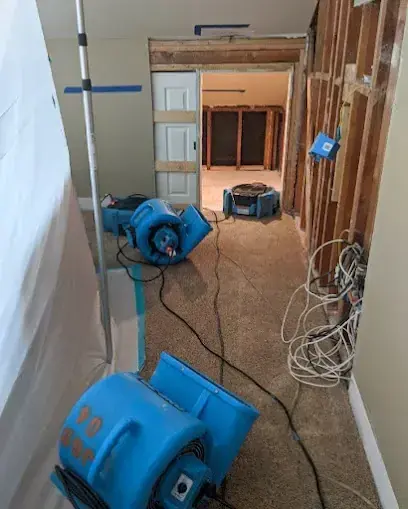
What to do while the water is still spreading
- 1
Stop the source
Shut the fixture valve or the main shutoff, then switch off the breaker for any room where outlets or cords are wet.
- 2
Keep people clear
Stay off sagging ceilings and slick wet floors, and keep children and pets out of any room holding dirty water.
- 3
Photograph everything
Shoot wide and close photos of the damage, the standing water and any ruined belongings before anything gets moved.
- 4
Bring in the dry-out crew
Call a restoration crew early, since wet drywall and padding start to fail while the water sits.
Every kind of water loss a Stanton home can see
Crews in Stanton handle supply leaks, drain failures, storm intrusion and commercial losses, then choose the drying equipment that the readings call for instead of one fixed setup.
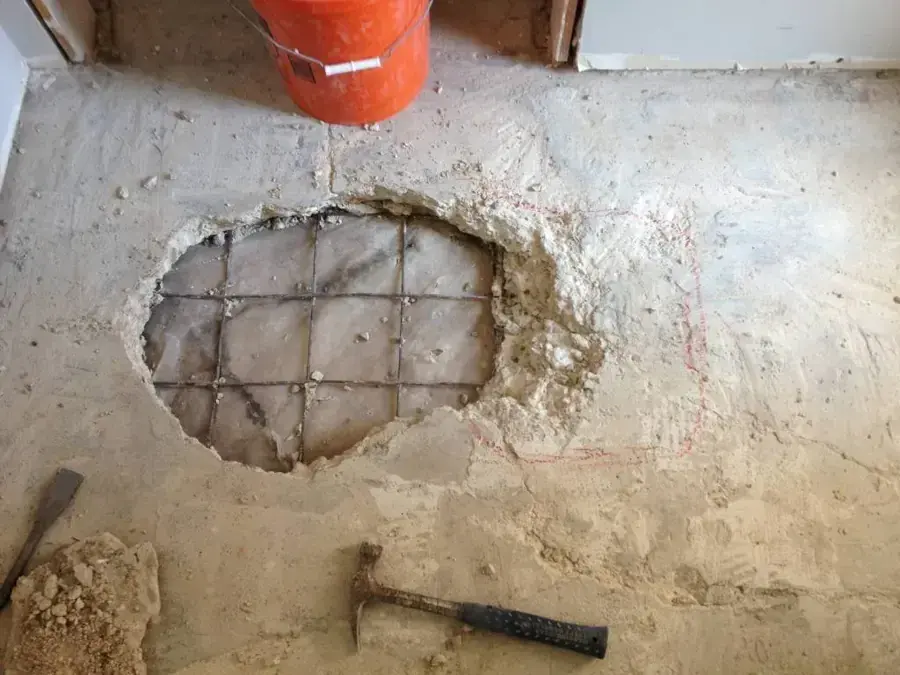 Slab Leak Water DamageConcrete floors that feel warm or damp get mapped, opened and dried with mats.See the service
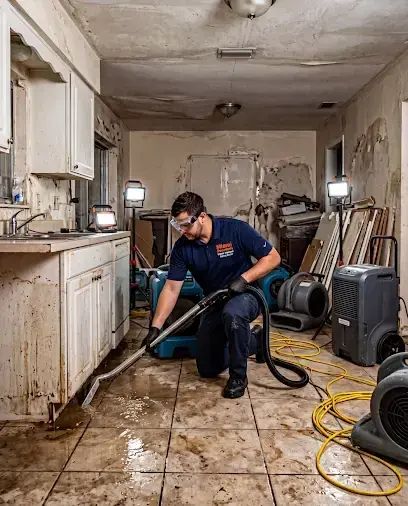 Water Extraction and RemovalStanding water comes out first, using pumps and wands matched to the room.See the service
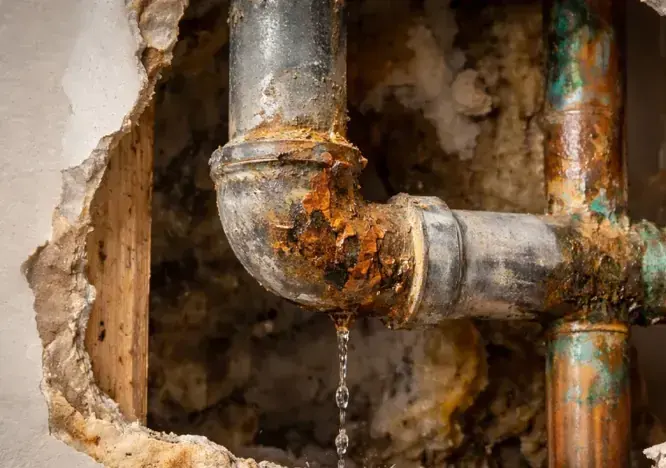 Copper Pinhole Leak Water DamageTiny copper pipe leaks hide inside walls until thermal tracing finds them.See the service
 Burst Pipe Water DamageA split pipe floods whole rooms, and crews pull the water before it travels.See the service
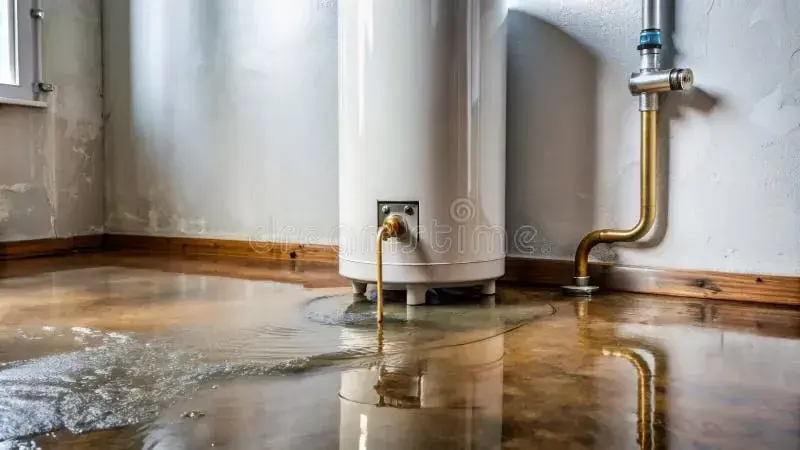 Water Heater Leak CleanupGarage and closet tank failures are drained, dried and checked for spread.See the service
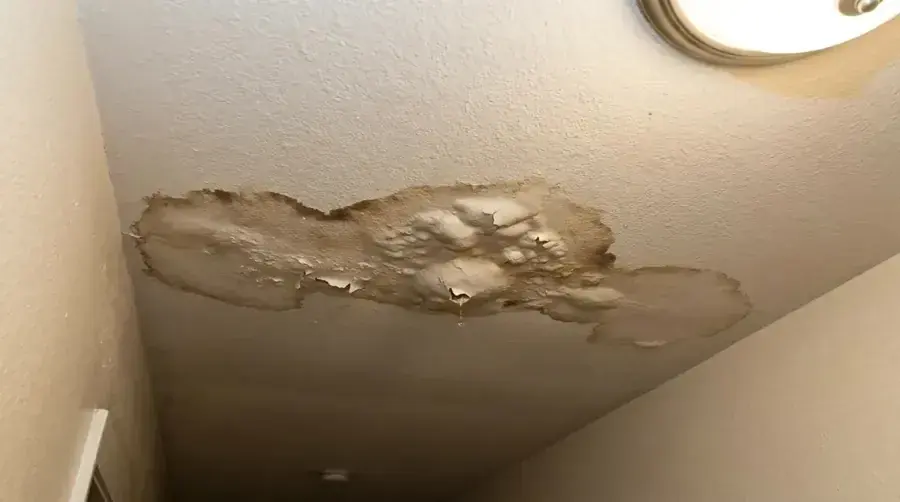 Ceiling Leak Water DamageStained or sagging ceilings are opened so wet joists and insulation can dry.See the service
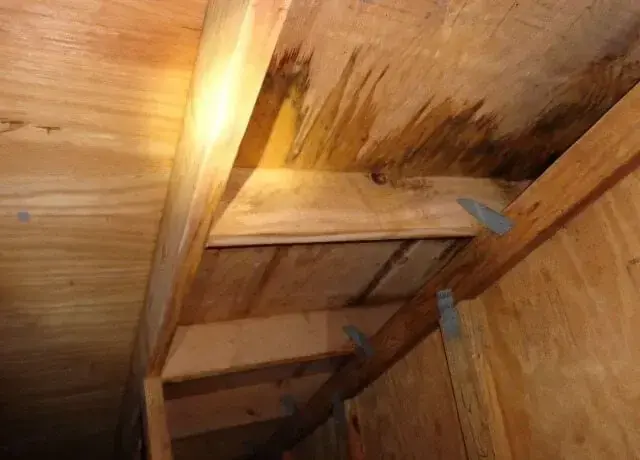 Roof Leak Water DamageRain that gets past the roof is traced from the attic down to the drywall.See the service
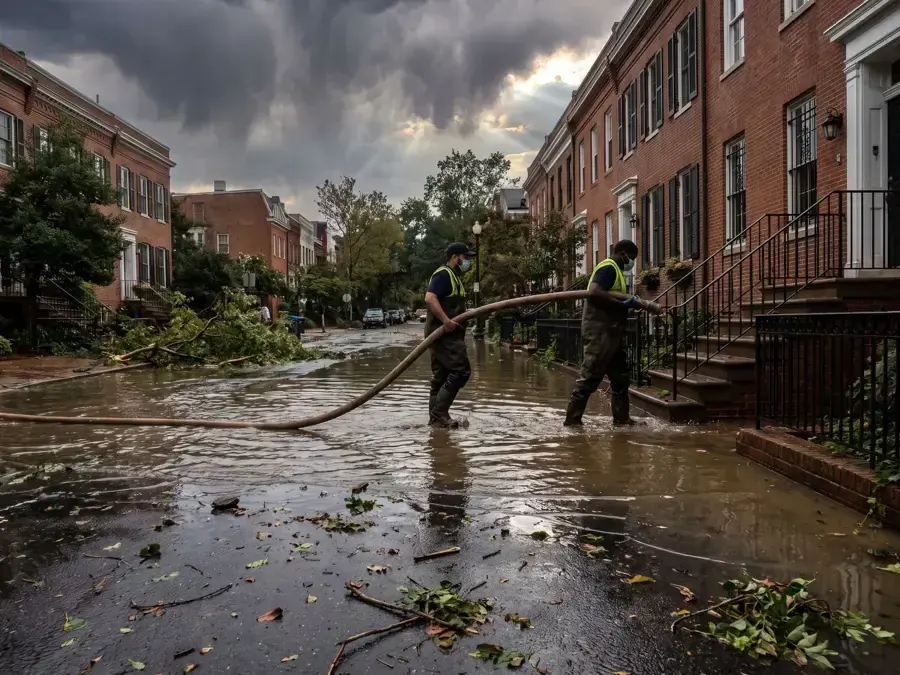 Storm Flood CleanupWet-season runoff that enters a garage or room is pumped out and sanitized.See the service
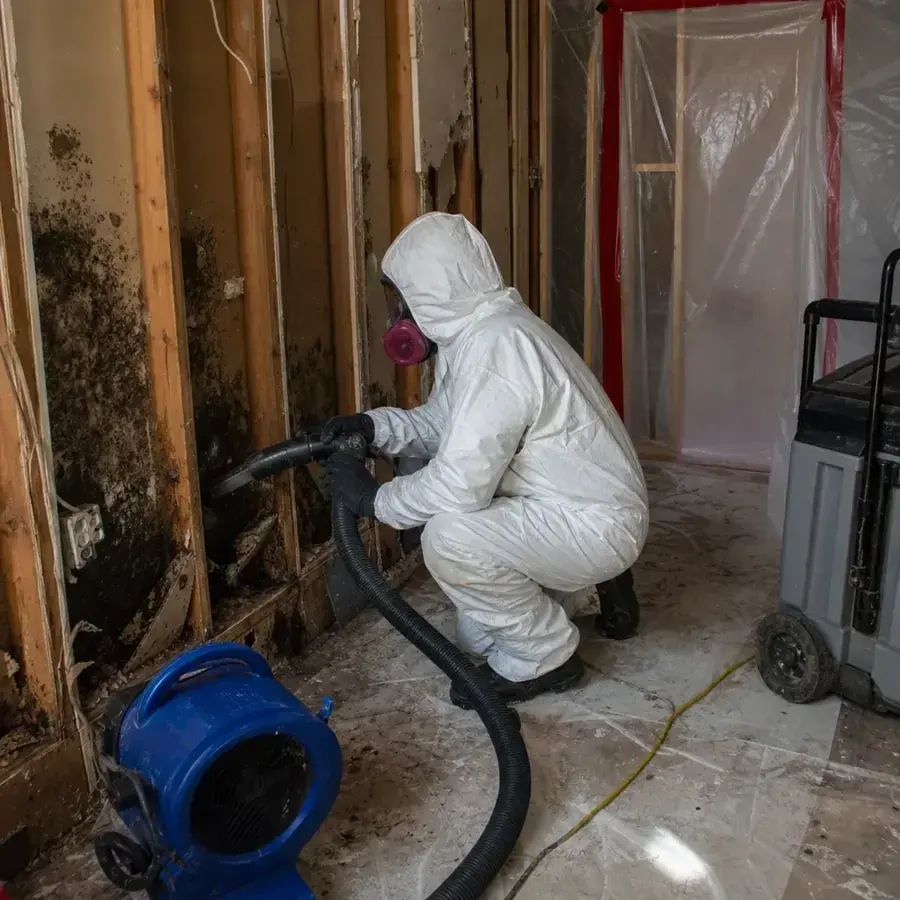 Sewage Backup CleanupBackups get containment, removal of porous materials and a full antimicrobial pass.See the service
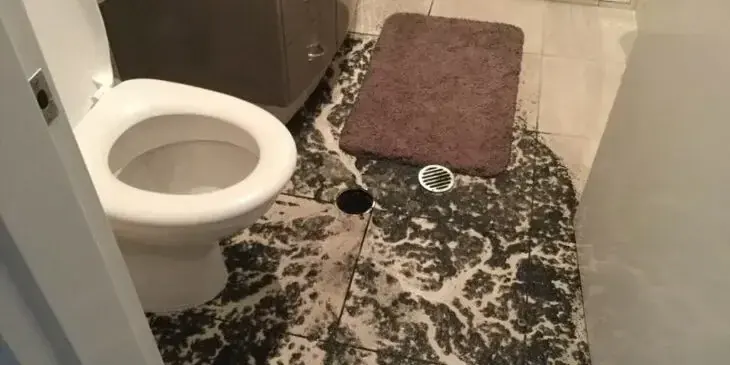 Toilet Overflow CleanupOverflow water is extracted, and floors, baseboards and vanities are dried and sanitized.See the service
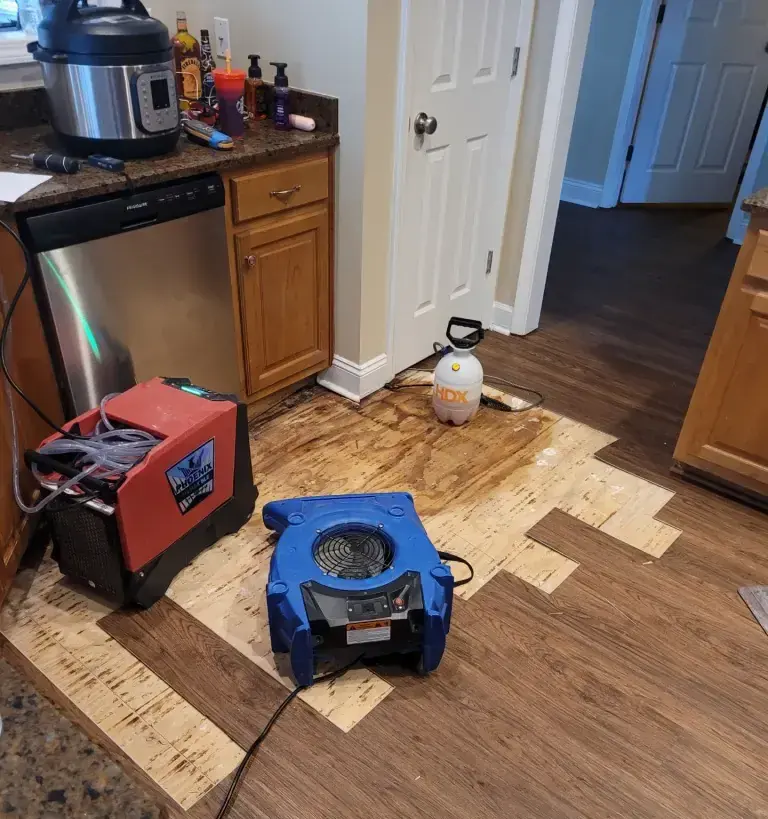 Appliance Leak Water DamageWasher, dishwasher and refrigerator leaks are dried under cabinets and behind walls.See the service
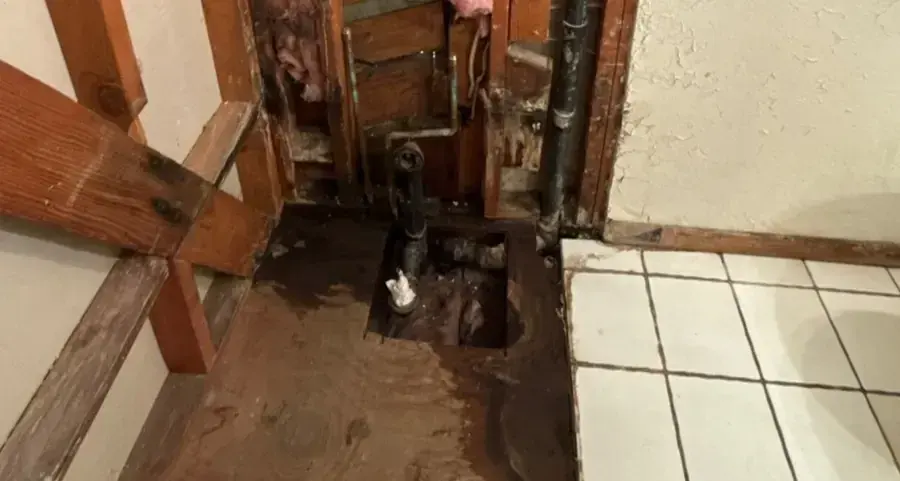 Shower Pan Leak Water DamageA failed shower pan seeps into walls and floors, so crews open and dry both.See the service
Structural Drying and DehumidificationAir movers and dehumidifiers pull moisture from framing, subfloors and concrete.See the service
Shower Pan Leak Water DamageA failed shower pan seeps into walls and floors, so crews open and dry both.See the service
Structural Drying and DehumidificationAir movers and dehumidifiers pull moisture from framing, subfloors and concrete.See the service
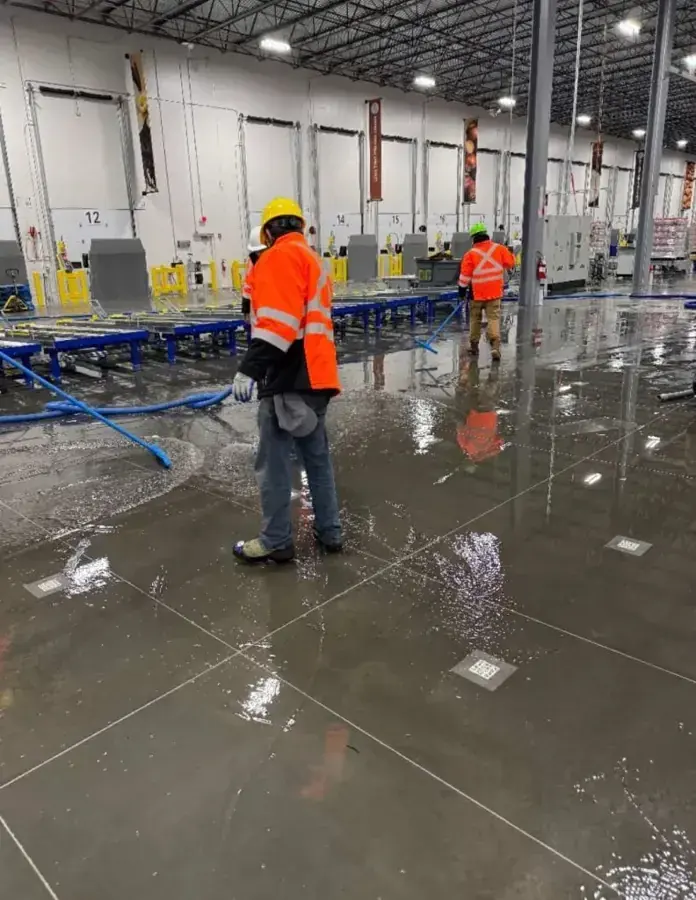 Commercial Water DamageShops, suites and warehouses are dried in phases to keep the business running.See the service
What a Stanton water loss usually costs to dry out
Cost follows the water source, the number of wet rooms and how long materials stayed wet. A contained clean-water leak sits at the low end, while a sewage loss across several rooms sits at the top.
These ranges are typical, not quotes. A technician prices a Stanton job after the walkthrough, and the adjuster's scope can shift the final figure up or down once walls are opened.
One room, clean water
$1,500 to $4,000
Several rooms affected
$4,000 to $10,000
Sewage or Category 3 loss
$12,000 to $25,000
The usual suspects behind water in the house
Split pipes indoors
A split supply pipe floods a room, and wet walls and baseboards need opening before moisture spreads.
See burst pipe cleanupAppliance leaks at home
Washers and dishwashers work hard in households averaging 3.39 people, and a slow hose leak soaks cabinets unseen.
Read about appliance leaksDrains that back up
Street mains belong to the city, but a clog in the private lateral pushes sewage into the building.
Sewage backup cleanupEvery day of drying leaves a written record
Drying follows IICRC S500 practice: water is removed, materials are sorted by water category, and LGR dehumidifiers keep running until each reading matches the dry standard for that material in the room instead of a hunch.
Daily dry-out log entries
Moisture map
At the start the technician reads every wall, floor and ceiling surface and marks the wet boundary on a sketch of the room.
Water category
The source decides the category, so clean supply water, gray water and sewage each get a different removal plan from the crew.
Equipment count
Air movers and dehumidifiers are tallied by room and adjusted when readings show a wall or floor drying slower than the rest.
Temperature and humidity
Room air and dehumidifier output are checked so the drying chamber stays in a range where moisture actually leaves the materials.
Dry confirmation
Equipment comes out only after every tracked reading reaches its goal, and the final numbers go into the file for the adjuster.
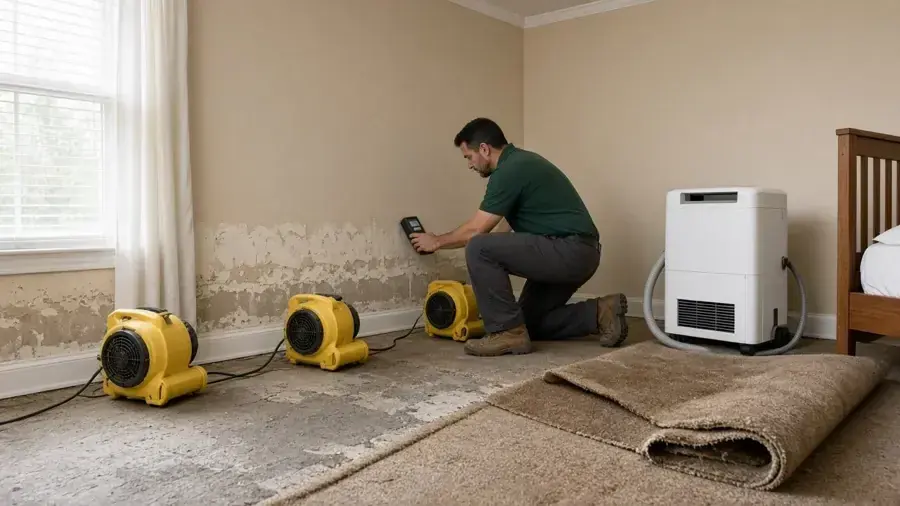
One crew from extraction through the final reading
Technicians stay with a Stanton job from the first pump-out to the final moisture reading, adjusting equipment as the readings change each day and writing every step into a log that the adjuster and the homeowner can both follow.
Crews on call
Calls in Stanton reach dispatchers at any hour, because water damage does not wait for business hours.
Equipment sized to the loss
Air movers and dehumidifiers are chosen from the moisture map, not rolled in by habit.
Records an adjuster accepts
Photos, daily readings and equipment counts are logged so the insurance file holds up.
Rental and busy-home planning
With about half of Stanton housing rented, crews plan around neighbors, landlords and shared walls.
What the claim file should contain
Adjusters in Stanton ask for proof of the cause, the extent and the drying, so the crew builds that record while working.
- 1Dated photos of each wet room before and after demolition
- 2Moisture readings tied to marked locations on a sketch
- 3The water source and its category written down
- 4Equipment counts for every day on site
- 5An itemized list of the materials removed
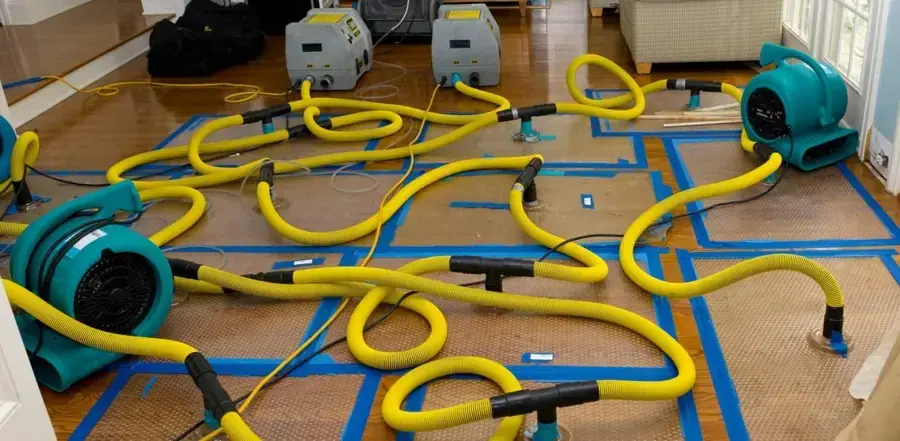
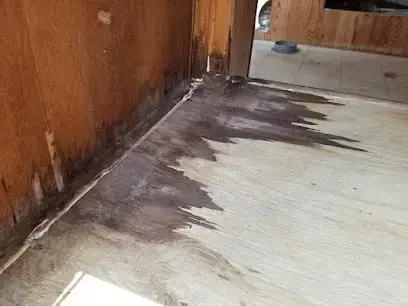
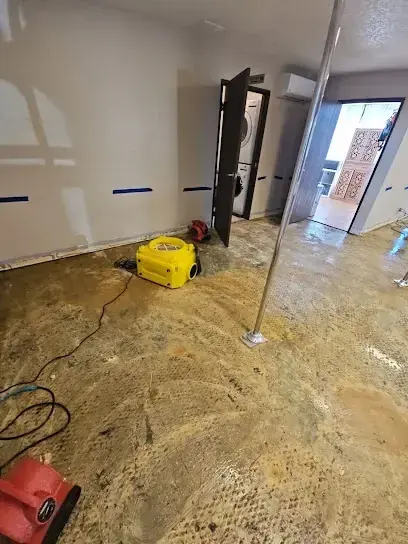
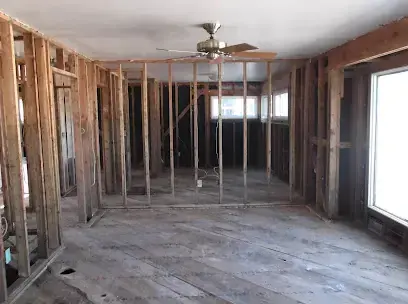
Stanton dry-out work as it looks in the field
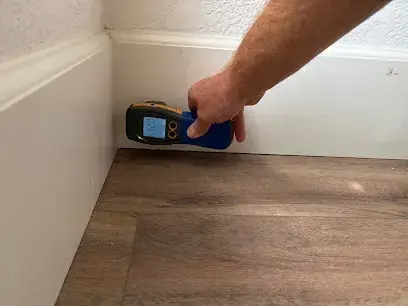
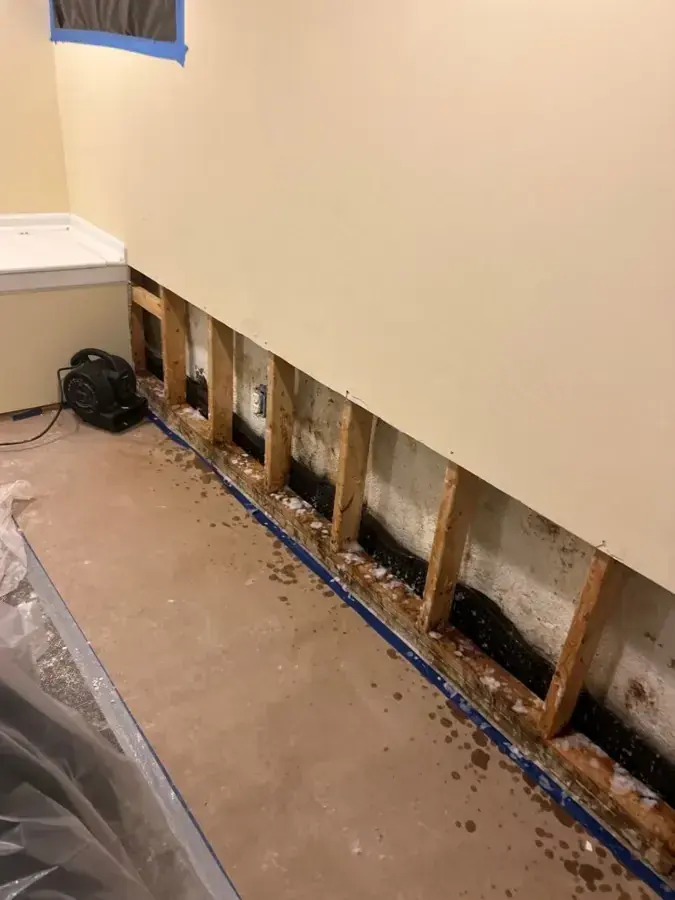
Water damage crews across all of Stanton
Main streets and landmarks
ZIP codes
Nearby cities
Reaching a crew from anywhere in Stanton
Crews respond to homes, apartments and businesses along Beach Boulevard and every cross street, and the dispatcher confirms the address, the water source and what has been shut off.
Stanton has no freeways within its limits, so crews reach most jobs on surface streets.
(888) 450-9281Talk to a Stanton dispatcher nowStanton, CA
[email protected]
What makes water damage likely in Stanton
Stanton gets about 13.2 inches of rain a year, most of it from December through March, and the city's two drainage systems carry that runoff toward the ocean. Storm flood cleanup covers what gets past them.
The first City of Stanton incorporated mainly because Anaheim planned a sewage farm west of its city, putting wastewater at the center of local history.
Citizens re-incorporated the city after neighboring cities rapidly annexed land, and the City of Stanton Public Works Department now maintains the sewer mains in the street.
- Private sewer laterals The city handles the mains in the street, while the homeowner owns the private building lateral.
- Wet-season roofs Rain concentrates from December through March, which is when roof and ceiling leaks tend to surface.
- Shared walls About half of housing units were renter-occupied in 2010, so a leak can start in a neighbor's unit.
- Full households Average household size is 3.39, so showers, toilets and washers see steady use that wears out seals and hoses.
- Runoff paths Two drainage systems move rain through the city, but heavy runoff can still push water toward garages and doors.
Stanton water damage questions
Water in the house right now?
A dispatcher logs the address and water source, then sends a crew with pumps and drying equipment to Stanton.
(888) 450-9281Call a Stanton crew01What comes first after a leak in Stanton?
Stop the water at the fixture valve or main shutoff, turn off power to wet rooms, photograph the damage, and then call a crew so water extraction can begin before drywall and padding absorb more.
02Does the city or the homeowner fix a sewer clog?
The City of Stanton Public Works Department maintains the sewer mains in the street, while the private lateral serving the building belongs to the owner. The restoration crew handles the damage inside, and a plumber clears the pipe.
03How wet is too wet to leave drywall in place?
Drywall soaked by sewage or gray water comes out, while a brief clean-water wetting can often be dried in place once a technician maps the wall and the meter confirms it will return to normal.
04Why do roof leaks show up in winter?
Most of Stanton's roughly 13.2 inches of yearly rain falls from December through March, so leaks that sat unnoticed through the dry summer start dripping into ceilings and attics once rain returns.
05Can a neighbor's leak damage another unit?
Yes. With about half of Stanton housing rented, water often travels through shared walls and ceilings, and technicians read the adjoining surfaces so hidden moisture is not left behind.
06Who supplies the water in Stanton?
Golden State Water Company supplies Stanton through its West Orange County System, and its water is a blend of Orange County Groundwater Basin supply and imported Colorado River Aqueduct and State Water Project water. Leaks inside the home start at its own shutoff valve.
07Do storm drains prevent street flooding?
Stanton has two drainage systems that carry rainwater toward the ocean, yet water can still seep into a garage or ground-floor room, and extraction should begin before the floor materials swell.
08Are commercial properties handled differently?
Yes. Retail along Beach Boulevard and Katella Avenue and light industrial space call for phased drying and containment so the business can keep operating, as the commercial water damage page explains.
09What does an adjuster need from the crew after a loss?
Dated photos, moisture readings, equipment counts and a list of removed materials, all kept in one log so the claim does not stall while waiting for proof.
10How are costs worked out for a dry-out?
Pricing follows the water source, the rooms affected and the materials that must come out, so a technician walks the home and scopes the work before giving a figure.
Water in a Stanton home needs a crew before it settles in
Dispatchers take the address and water source, crews bring extraction and drying equipment to Stanton, and the moisture log runs until the last reading passes.