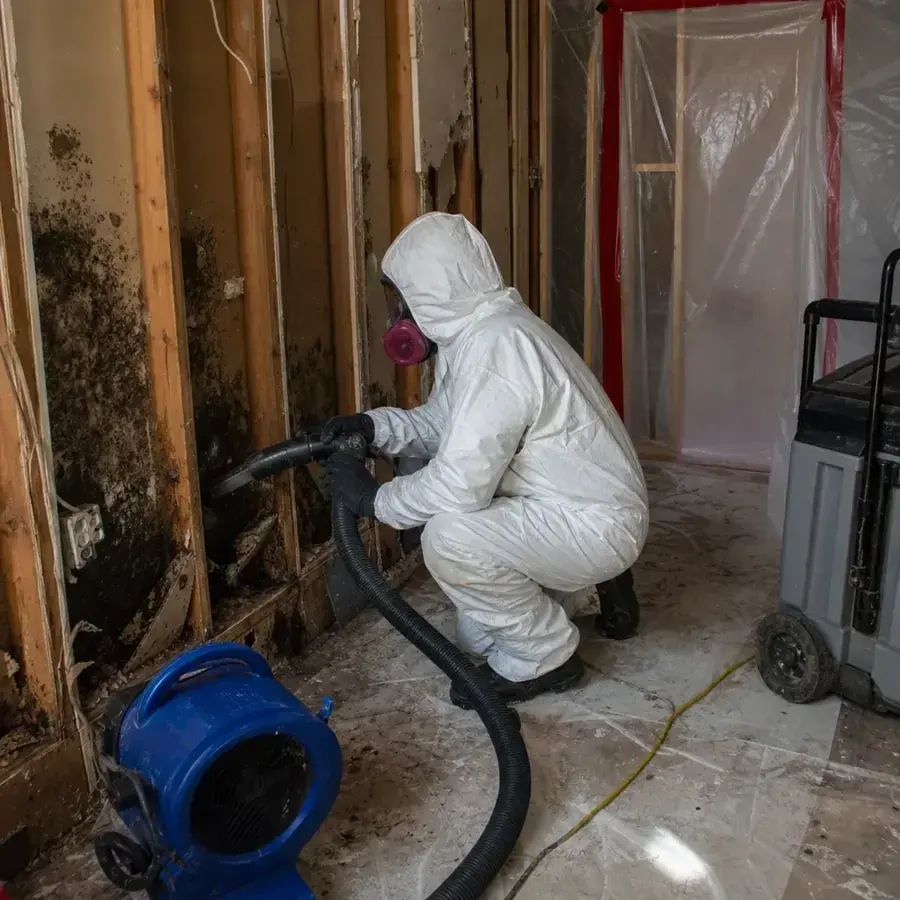
The Cypress Trunk Sewer Project is under way in fall 2026, with bypass pumping and night pipe work in parts of the city. The project is a long term upgrade, but a homeowner who sees sewage in a bathroom or a floor drain still needs to know what to do.
Key takeaways
- The Cypress Trunk Sewer Project upgrades a regional sewer that runs through Cypress, Los Alamitos and La Palma and is about 50 years old.
- Work areas in fall 2026 include Denni Street between Lincoln Avenue and Rainier Drive, plus Guardian Drive within Forest Lawn Cemetery.
- A backup inside a home is contaminated water, and it needs containment, removal of soaked materials and sanitizing.
- Stop using water in the house when drains back up, and report a suspected problem with a public sewer main to the City of Cypress Maintenance Division.
- Project work is context for the neighborhood, and it is never a diagnosis of why a particular home backed up.
What the Cypress Trunk Sewer Project is
OC San, the Orange County Sanitation District, runs the regional trunk sewer through Cypress. The pipe that runs through Cypress, Los Alamitos and La Palma is about 50 years old.
The project replaces some segments with larger pipe and rehabilitates others, with about 100 manholes replaced or rehabilitated. The aim is to extend the life of the sewer pipes by another 50 years.
A project like this is built in stages, which is why some streets are busy with crews while others are untouched. Residents may notice equipment, night work and changes to how a street is used while a section is open.
None of that tells a homeowner whether a particular house is at risk. It is simply the setting in which a backup has to be understood.
Where the work is taking place
The project is a series of work zones, not a single construction site. In fall 2026 the named work areas are a stretch of Denni Street between Lincoln Avenue and Rainier Drive and a route along Guardian Drive inside Forest Lawn Cemetery.
On Denni Street the work includes bypass pumping and night pipe replacement. Bypass pumping moves sewage around the section being replaced, so the regional system keeps working while the pipe is open.
Denni Street and Guardian Drive are the two named work areas, and other segments are part of the same project. A resident who wants to know whether work is planned near a particular street can ask the City of Cypress.
- Denni Street between Lincoln Avenue and Rainier Drive.
- Guardian Drive within Forest Lawn Cemetery.
- Night pipe replacement and bypass pumping in the active zones.
Who handles what
Cypress has more than one agency involved in sewage. OC San runs the regional trunk sewer, and the City of Cypress Maintenance Division handles local city sewer pipes.
For a homeowner, the practical point is simple. A backup inside a house is first a cleanup job, and the cause is traced afterward by a plumber and, when the public system may be involved, by the agency that runs it.
Signs of a backup at home
A backup starts small, and the early signs are worth taking seriously, especially in a neighborhood where sewer work is going on.
- Several drains slow down at the same time.
- A toilet that gurgles when the shower or washer runs.
- Water or waste that comes up through a floor drain, a tub or a low fixture.
- A strong sewage smell in a bathroom, a laundry room or near a cleanout.
- Water that rises in a toilet after another fixture is used.
- Floors that feel damp near a bathroom wall with no obvious source.
- A floor drain that bubbles when a toilet nearby is flushed.
What to do if sewage reaches the floor
The first goal is to keep the problem from growing. The second is to keep people clear of contamination.
Stop using toilets, sinks, showers and the washing machine, because everything that goes down adds to the backup.
Wait for help before carrying wet furniture through the house, because moving it spreads contamination to dry rooms.
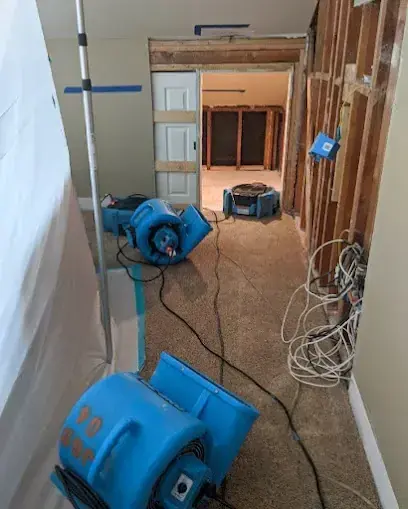
Water from a backup travels along baseboards and under doors, so a bathroom problem can reach a hallway and the rooms beside it before anyone notices.
- Keep people and pets out of the affected room.
- Do not use a household vacuum on sewage.
- Take photos of the water, the fixtures and the damaged areas.
- Call a plumber to check the pipe, and report a possible public main problem to the City of Cypress Maintenance Division.
- Call the restoration team for containment and cleanup.
How the cleanup is done
A sewage backup cleanup is treated as a contaminated water loss. The crew seals off the area, extracts standing water and removes porous materials that touched it.
Carpet, pad, baseboards and drywall that absorbed sewage are taken out. Hard surfaces and framing are cleaned and sanitized, and air scrubbers run while the work goes on.
When it is only a toilet
If a single toilet overflows without a sewer backup, a toilet overflow cleanup may be all that is needed. The water type decides how much is removed, and clean tank water is far easier to handle than bowl water or waste.
Drying and rebuilding
After removal and sanitizing, the structure is dried with air movers and dehumidifiers. Readings show when it is ready for new flooring and drywall.
The wider Cypress water damage pages show how the crew handles the other water problems that can follow.
Keeping a record for the claim
A homeowner who has a backup should document it as early as possible. Photos, a list of damaged items and the repair records help with an insurance claim.
Coverage for sewage backups depends on the policy, and many policies treat backups as an endorsement. Reading the wording before a loss makes the claim easier.
A short file kept in one folder makes a claim much smoother.
- Dated photos of the water, the fixtures and the damaged areas.
- A list of the items that were discarded or moved.
- The plumber report that explains where the problem was found.
- The cleanup record and the drying readings once the job is done.
Questions
Does the Cypress Trunk Sewer Project cause backups in homes?
The project work is a context for the neighborhood and not a diagnosis. A backup in a particular house needs its own inspection by a plumber to find the cause.
What is bypass pumping?
Bypass pumping moves sewage around a section of pipe that is being replaced or rehabilitated, so the system keeps flowing while the work is done.
Who should be told about a possible problem with a public sewer main?
In Cypress, the City of Cypress Maintenance Division handles local city sewer pipes, and OC San runs the regional trunk sewer. A plumber can help decide which one to contact.
Is a small sewage spill dangerous?
Any sewage can carry bacteria and viruses. A small spill on a hard floor can be cleaned with protective gear and a disinfectant, but anything that reaches carpet or drywall needs professional removal.
What happens after the cleanup is finished?
The structure is dried until readings reach a dry goal, then flooring and drywall are rebuilt. A plumber should confirm the pipe is clear before the room is put back in use.
Should a homeowner wait for the project to finish before repairing a drain?
No. A problem inside a house needs attention when it appears. Work in the street does not change the need to clear and repair a private pipe.