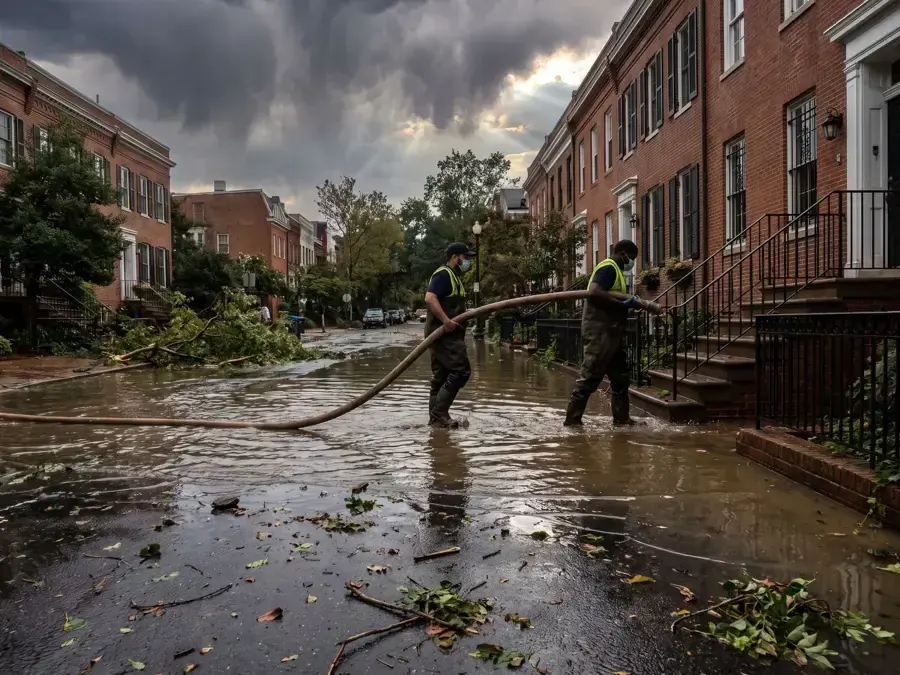
Over Labor Day weekend in September 2026, surf tied to Hurricane Marie breached sand berms and sent ocean water onto the Seal Beach boardwalk. For owners of ground floor spaces and garages, the question that follows is what happens when that water finds a way inside.
Key takeaways
- The September 2026 surf flooding put knee deep water on the boardwalk in places and caused localized flooding around 8th Street, 14th Street and the low lying Seal Way area.
- Seal Beach Public Works pumped water overnight and then cleared clogged storm drains and debris.
- Water that comes in from the ocean is contaminated, so porous materials are removed and hard surfaces are cleaned.
- Extraction comes first, followed by structural drying until readings reach a dry goal.
- Garages, ground floor rooms and storage areas are the usual places where coastal water collects.
What the September 2026 surf did
Over Labor Day weekend, surf tied to Hurricane Marie breached sand berms and sent ocean water onto the Seal Beach boardwalk. The water was knee deep in places.
Police reported localized coastal flooding around 8th Street and 14th Street, including the low lying Seal Way area, when wave run up overtopped parts of the beach.
The boardwalk, the beach and the streets near the water are the most exposed parts of the city. The event is a reminder that coastal flooding does not need rain to cause damage.
The Seal Beach Pier has been through this before, since it needed repairs after storms in 1935 and 1983.
How the city responded
Seal Beach Public Works crews pumped water overnight and then cleared clogged storm drains and debris. That work is the public side of the response, and it protects streets and drains.
It does not reach inside private buildings, which is where owners of garages and ground floor spaces take over.
Seal Beach has two drainage systems. Sewers carry waste to a treatment plant, and storm drains carry runoff.
When storm drains are clogged by debris, water that would otherwise leave the street stays longer and has more time to find a door.
The overnight pumping shows how seriously a coastal flood is treated in the public streets. Inside a private building, the same urgency applies, because water that is not removed keeps soaking into floors and walls.
- Pumping overnight to move water off streets.
- Clearing clogged storm drains.
- Removing debris left behind by the surf.
Where ocean water settles after a surf event
Coastal water follows the ground. Low points, garages and rooms at street level are where it settles, and doors and thresholds are the usual entry points.
- Garages with doors that open toward a low street.
- Ground floor rooms and storage areas near the beach side of a building.
- Utility spaces and laundry rooms that sit at street level.
- Courtyards and patios that drain toward a building instead of away.
- Rooms below street level or with a floor close to the sidewalk.
- Doors and garage openings without a raised threshold.
Why ocean water is treated as contaminated
Surf that runs over sand, streets and drains carries salt, sand, debris and whatever it passed through. Even a short visit inside a building leaves a residue.
That is why it is handled as a storm flood cleanup and not as a clean water leak.
Sand is a hidden part of the problem. It works into carpet, baseboards and flooring edges, and it scratches hard floors if it is dragged around.
Ocean water also leaves a film on concrete and tile that attracts moisture. Rinsing and cleaning those surfaces is part of the job, not an extra step.
What happens after the water is in
The work follows an order, and each step protects the next one.
Extraction
Pumps and extractors remove standing water. Water extraction comes first because water left on a floor keeps soaking in.
Removal and cleaning
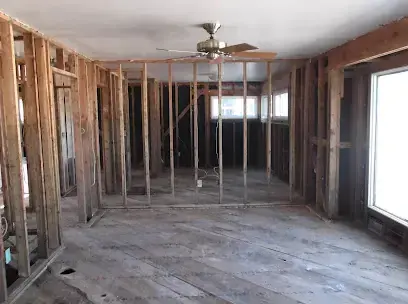
Carpet, pad and soaked drywall are removed. Hard floors, concrete and framing are cleaned to remove sand and residue, and then treated with an antimicrobial product.
Drying
After removal, structural drying takes out the moisture that is left in the floor and walls. Air movers and dehumidifiers run until readings reach a dry goal.
The crew checks readings in the floor, the wall bases and any opened cavities, and keeps adjusting equipment until the structure reaches its dry goal.
Contents and belongings
Items that sat in ocean water are sorted into those that can be cleaned and those that are lost. Cardboard, paper and fabric are rarely worth saving, while plastic, glass and metal can usually be washed.
What an owner can do first
The first steps limit what the water can reach, and they keep people safe.
A written list of what was in the space, with photos, helps later when an insurer asks what was lost. It is easier to make that list before the cleanup starts than afterward.
- Stay out of water that is near electrical outlets, cords and panels.
- Move valuables, papers and electronics above the flood level.
- Take photos of the water level, the doors and the damaged items.
- Do not run household vacuums or fans in standing water.
- Call for extraction before the water has time to soak into walls.
- Wipe or rinse salt and sand off tools and equipment once the area is safe.
- Open windows and doors for air when the weather allows.
Where to read more
Owners who want the full picture of the work can start at the Seal Beach water damage hub and follow it to each service. A flood claim depends on the policy, and coverage for coastal water can differ from coverage for a plumbing leak, so the wording is worth reading.
Old Town is the neighborhood closest to the beach and the pier, and owners there know how quickly conditions can change. Whether a space is in Old Town or near Seal Way, the same order applies: remove the water, clean the surfaces, then dry the structure.
Questions
Is ocean water considered clean?
No. Surf water carries sand, salt and debris from streets and drains, and it is treated as contaminated.
Which parts of Seal Beach saw flooding in September 2026?
Police reported localized flooding around 8th Street and 14th Street, including the low lying Seal Way area, and the boardwalk had knee deep water in places.
How long does drying take after surf flooding?
It depends on how much water came in and what the building is made of. Readings decide when the structure is dry.
Is surf flooding covered by a typical homeowners policy?
Often not. Flood and surf coverage may be separate from a standard policy, so the wording should be checked.
Do storm drains and sewers carry the same water?
No. Seal Beach has two drainage systems: sewers that carry waste to a treatment plant, and storm drains that carry runoff.
Should a homeowner rinse salt water off floors alone?
A light rinse on hard surfaces can help once the water is gone, but wet carpet, pad and drywall need removal. A crew can also check what is hidden behind baseboards.