Commercial Water Damage in Cypress, CA
A water loss in a Cypress office, retail suite or warehouse is handled in phases, so the crew extracts, opens and dries the affected space while the rest of the building keeps operating.
(888) 450-9281Call about a business water loss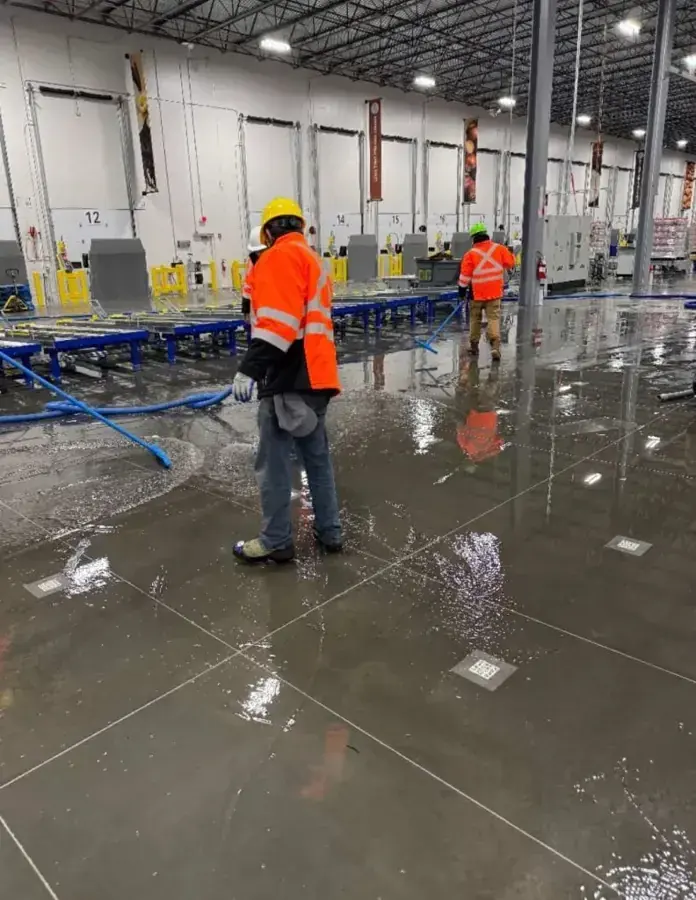
First steps for commercial water damage in Cypress
- 1
Isolate the area
Close off the wet suite and keep staff out of standing water.
- 2
Shut the water
Close the building or suite valve and switch off power to wet panels.
- 3
Protect inventory
Lift stock and files onto blocks and photograph what was wet.
- 4
Call the manager
Tell the property manager and the carrier, then book the drying crew.
How commercial water damage work is done in Cypress
Cypress mixes very different commercial buildings: corporate offices, a college campus, a Costco and the Los Alamitos Race Course, which opened in 1951 and hosts thoroughbred and quarter horse racing. A water loss in any of them raises different questions about square footage, tenants, inventory and downtime. The crew builds the plan around the building, not the other way around.
What does commercial water damage cost in Cypress, CA?
Commercial costs scale with floor area, the water category and how much work must happen after hours. A single suite is the low end, while warehouses and Category 3 losses need large equipment and extended drying.
Single suite
$3,000 to $10,000
Several suites
$10,000 to $30,000
Warehouse or Category 3
$30,000 to $60,000
Ranges are typical, not a quote: category of water, square footage, material class and how fast drying started move the number most. Run the water damage cost calculator for a closer range.
The commercial water damage process in four steps
The tech who does the walkthrough maps moisture before any equipment goes down, so the drying plan matches what is actually wet. Equipment stays until the readings say dry, not until it looks dry.
Step 1 Scope the loss
Meters and thermal images map wet areas and floor materials.
Step 2 Contain and extract
Barriers go up and pumps clear the water, often after hours.
Step 3 Dry in zones
Equipment is set in zones so each area dries on its own schedule.
Step 4 Hand over records
Owner, manager and carrier receive the same dated log.
Phasing the work
Wet areas are isolated with containment so the rest of the suite keeps running, and the crew schedules extraction and demolition for after hours when needed. Ceiling tiles that took on water are replaced, while grid and framing are cleaned and dried in place. Large open floors use structural drying equipment with the airflow planned in zones.
- Containment barriers around the affected suite
- Ceiling tiles replaced and the grid cleaned
- After-hours work scheduled around tenants
Warehouses and large floors
Concrete floors in warehouses and retail backrooms hold water for days, so desiccant units and large extraction machines do most of the work. Pallets and inventory are lifted onto blocks and moved so the floor can be read from edge to edge. Large floor areas get the truck-mounted units described under water extraction.
- Desiccant units for concrete and thick walls
- Pallets and inventory moved onto blocks
- Moisture mapped in a grid across the floor
Records for owners and carriers
A commercial loss often involves a lease, a property manager and a carrier, so the crew keeps dated photos, readings and equipment logs in one file. Tenants see a phased schedule and the owner sees the scope behind each invoice. Business interruption claims need the dates, so every start and stop is recorded.
Commercial water damage across Cypress and nearby towns
Commercial water damage calls reach offices, retail suites and warehouses across Cypress, including buildings on streets such as Katella Avenue, Valley View Street and Lincoln Avenue in 90630, and the crew plans each job around tenant hours.
The same service nearby: commercial water damage in Fountain Valley, Los Alamitos, Stanton.
Related water damage services in Cypress
Commercial Water Damage questions in Cypress, CA
Still dealing with it?
A wet suite costs the business more each day it stays closed.
(888) 450-9281Call about a business water loss01Can the business stay open during drying?
Often yes. Containment, zoned equipment and after-hours work keep most of a building running, though the wet suite may close.
02Who handles ceiling tiles and carpet tile?
The crew removes wet ceiling and carpet tile, dries the grid and floor, and documents each item so the owner can restore it.
03How is stored inventory protected?
Stock is lifted onto blocks or shelving and moved out of the work zone, with photos taken first for the loss record.
04Does the crew work with property managers?
Yes. The crew shares scope, daily logs and a phased schedule with the property manager and gives the carrier the same file.
05What equipment suits a large open floor?
Truck-mounted extractors clear large areas, and desiccant dehumidifiers pull moisture out of concrete and thick walls that LGR units struggle to dry.
06What if a pipe bursts in a tenant space?
The valve is closed and power is cut to wet panels, then the crew dries the suite while the plumber repairs the pipe.
A Cypress business can keep working while the dry-out runs
The dispatcher asks about floor area and the water source, then sends a crew with extraction and drying gear.